
Introduction
Lorena Soaks North western Mexico, But Rainfall in the American Southwest Is Becoming Less Certain Tropical systems in the Pacific often bring both relief and risk to communities in Mexico and the United States. This week, “Tropical Storm Lorena” delivered heavy rainfall to northwestern Mexico. Streets flooded, rivers swelled, and emergency services remained on alert. Yet the storm’s path left forecasters unsure about how much rain will reach the American Southwest.
While residents in Mexico dealt with downpours, communities in Arizona, New Mexico, and even southern California looked to the skies with uncertainty. Would Lorena’s moisture make it across the border, or would it weaken before delivering needed rain
Lorena’s Impact on North western Mexico
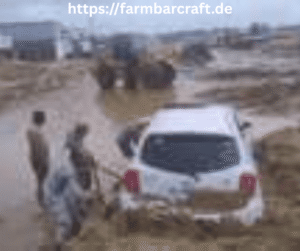
Lorena made landfall on Mexico’s Pacific coast before moving inland. The storm quickly soaked parts of Sinaloa, Sonora, and Baja California Sur. Rainfall totals surged in just hours. Streets filled with water, forcing evacuations in some low-lying areas.
Authorities issued warnings about flash flooding and landslides. Local governments urged residents to avoid unnecessary travel and to stay clear of riverbanks. Thankfully, the storm weakened as it moved north, but not before causing infrastructure damage and disrupting daily life.
Communities already vulnerable to tropical storms faced another reminder of how quickly conditions can change during hurricane season.
The Forecast Becomes Complicated
While Lorena’s rainfall was widespread in Mexico, the forecast for the U.S. Southwest grew more uncertain. Meteorologists initially expected the storm’s remnants to carry significant moisture into Arizona and New Mexico. This could have brought much-needed rainfall to drought-stricken areas.
However, shifts in wind patterns created doubt. Upper-level steering currents pushed Lorena’s core moisture eastward rather than northward. That meant the American Southwest might receive less rain than earlier predicted.
The National Weather Service noted that scattered showers remained possible, but widespread soaking rains looked less likely. For farmers, ranchers, and residents who hoped for relief, the update was disappointing.
Why the Southwest Needed Lorena’s Rain
The American Southwest has battled drought conditions for years. Reservoir levels in Arizona and New Mexico remain low. Farmers depend on both irrigation and seasonal monsoons to maintain crops.
When tropical systems like Lorena drift north, they often recharge groundwater, fill reservoirs, and reduce wildfire risk. Without that rainfall, dry conditions persist. Wildfire danger stays high, and communities face greater strain on water supplies.
That’s why Lorena’s uncertain track mattered so much. Even a few inches of rain could have made a significant difference.
A Pattern of Uncertainty
 Lorena’s case reflects a broader trend. Climate change has made tropical system forecasts more complicated. Storms appear stronger and wetter, but their rainfall distribution has become harder to predict.
For Mexico, that means more frequent flooding in vulnerable areas. For the American Southwest, it means greater unpredictability in drought relief. Communities must prepare for both extremes—flash floods in one region and extended dryness in another.
Local Responses in Mexico
Emergency officials in north western Mexico acted quickly as Lorena approached. Shelters opened for residents in flood-prone neigh borhoods. Schools and businesses closed temporarily to reduce risk.
By the time the heaviest rains ended, local leaders emphasized recovery. Road crews worked to clear debris. Utility teams focused on restoring power in affected zones. While damages were reported, proactive measures helped reduce casualties.
This response highlighted how experience with past storms has shaped community preparedness.
What Comes Next for the U.S. Southwest
For the American Southwest, attention now shifts to the remainder of hurricane season. Other tropical systems could still bring moisture northward. Monsoon storms may also provide relief in September.
Still, the uncertainty surrounding Lorena reinforces the need for improved water planning. Relying on unpredictable tropical remnants is not sustainable. States across the region continue to invest in conservation efforts, water recycling, and long-term drought strategies.
Lessons From Lorena
The story of Tropical Storm Lorena offers several lessons:
1-Storms can bring both relief and destruction.” Mexico gained rainfall but also suffered flooding.
2-Forecasts change quickly.” Initial expectations for the U.S. Southwest shifted within days.
3-Preparedness saves lives.” Local emergency efforts in Mexico reduced the storm’s human toll.
4-Climate patterns are shifting.” More uncertainty means communities must adapt.
Conclusion
Tropical Storm Lorena delivered heavy rain to northwestern Mexico, disrupting daily life and forcing emergency responses. While the storm initially appeared ready to share its moisture with the American Southwest, forecasts shifted. The chance of meaningful rainfall north of the border grew less certain.
For Mexico, Lorena’s downpours meant short-term hardship and recovery. For the American Southwest, the storm was a reminder of ongoing drought struggles and the dangers of relying on unpredictable weather.
As hurricane season continues, residents on both sides of the border will watch the skies, hoping for rain in safe amounts and preparing for the risks it can bring.