
A Heated Day on Capitol Hill
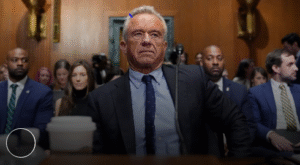
RFK Jr. Grilled on Health Care Policies in Contentious Senate Hearing.Robert F. Kennedy Jr. faced a tense this week, where his health care policies came under intense scrutiny. Senators from both parties challenged him on his proposals, raising concerns over costs, accessibility, and his history of controversial views on vaccines. The hearing quickly became one of the most contentious sessions in recent months.
The session was framed as a review of Kennedy’s potential role in shaping national health care reform. But instead of straightforward discussion, it turned into a fierce debate that highlighted deep divides in American politics.
Senators Press Kennedy on Health Care Costs
One of the central points of the hearing was the rising cost of health care in the United States. Lawmakers demanded specifics from Kennedy on how he would control medical expenses without burdening taxpayers.
Kennedy argued for greater transparency in hospital billing and pharmaceutical pricing. He claimed that hidden costs and corporate influence drive prices higher than necessary. According to him, patients deserve a system where charges are clear and affordable.
Despite his assurances, several senators were unconvinced. They questioned whether his proposals had enough legislative strength to bring real change. Concerns were raised about how his ideas would be funded and whether they would pass through Congress
Access to Health Care Takes Center Stage
Another major issue was access. Millions of Americans remain uninsured or underinsured. Senators pressed Kennedy on whether his policies would ensure broader coverage.
Kennedy emphasized that he supports a hybrid system that maintains private insurance while expanding public options. He suggested that families should not have to choose between medical care and financial survival. He also stressed that rural communities often suffer the most due to limited facilities and resources.
Some lawmakers supported his call for better rural care. However, others warned that expanding public programs without addressing doctor shortages could worsen the problem.
The Vaccine Debate Resurfaces
The most heated moments of the hearing came when senators questioned Kennedy about his past comments on vaccines. His skepticism toward certain vaccines has long been a point of controversy.
Kennedy defended himself by saying he is not “anti-vaccine” but “pro-safety.” He argued that regulatory agencies should maintain higher safety standards and avoid conflicts of interest with pharmaceutical companies.
This stance drew sharp criticism from several senators, who accused him of spreading misinformation. They pointed out that public health officials have repeatedly stressed the safety and necessity of vaccines.
The clash underscored Kennedy’s complicated political identity. While some Americans see him as a reformer challenging corporate influence, others view him as a figure promoting distrust in science.
Sharp Divides Within the Senate
The hearing highlighted how divided the remains on health care. Democrats accused Kennedy of offering vague solutions and stoking doubts about proven health measures. Republicans, while agreeing with some of his critiques on costs, were cautious about his proposals for public expansion.
At one point, the debate grew so heated that the committee chair had to intervene. Tensions flared as senators interrupted each other while Kennedy tried to respond. The exchanges reflected the high stakes of health care reform and the challenges any policymaker faces in winning bipartisan support.
Kennedy’s Political Gamble
For Robert F. Kennedy Jr., the hearing was more than just a policy debate. It was a test of his credibility on one of the most important issues facing the country. His ability to defend his health care vision could shape how voters view him in the upcoming election cycle.
Supporters believe his willingness to question corporate power resonates with frustrated Americans. Critics, however, argue that his lack of concrete plans and controversial history make him an unreliable choice for reform.
The Senate hearing has amplified these narratives. Whether Kennedy’s health care stance helps or hurts his political career remains uncertain.
What Comes Next
The contentious hearing is likely to be only the beginning. Senate committees are expected to continue pressing Kennedy and other political figures on their health care plans. With costs rising and access still uneven, the issue will remain a top priority for lawmakers and voters alike.
Kennedy’s performance revealed both strengths and vulnerabilities. His passion for transparency and reform appeals to some, but his cautious language on vaccines and limited policy details left others skeptical.
As the political season unfolds, his positions on health care will remain under a microscope. Voters, policymakers, and the medical community will all be watching closely.
Final Thoughts
The Senate hearing involving Robert F. Kennedy Jr. showcased the intensity of the health care debate in America. With costs soaring, access limited, and trust in public health institutions tested, the road to reform remains uncertain.
Kennedy’s grilling by senators reflected the larger struggle over the future of health care policy. While his ideas have sparked discussion, the lack of bipartisan agreement shows how difficult progress will be.
For now, Kennedy remains at the center of a political storm. His health care policies may define not only his career but also the national conversation in the months ahead.